Types of Cases Covered

The case library covers several distinct structural types found in the Argentine market.

Residential development represents the most common application of crowdlending in Argentina. The cases in this category examine how capital was raised for construction projects at various stages — from land acquisition through to completion — and how the structure addressed the specific risks of each stage.

Key analytical questions include how currency risk was handled in a market where construction costs are largely peso-denominated while property values are often quoted in dollars, and how project delays were managed within the financing structure.

Commercial property crowdlending presents different structural challenges from residential. Rental income streams, occupancy risk, and the different liquidity profile of commercial assets create a distinct set of design considerations. The cases in this category illustrate how these considerations were addressed — and sometimes not addressed — in actual structures.

The analysis pays particular attention to how return structures were designed when income depended on rental performance rather than a fixed development timeline.

Some of the most instructive cases involve structures that encountered difficulty: projects that fell behind schedule, currency conditions that affected returns differently than anticipated, or regulatory changes that required structural adaptation. These cases are analytically valuable precisely because they reveal how design choices behave under pressure.

This category does not present failures as warnings or cautionary tales. It presents them as data points that reveal structural features which are less visible when everything goes according to plan.

A subset of Argentine crowdlending involves structures where the underlying asset is in Argentina but the platform, the capital, or the legal structure has cross-border elements. These cases introduce additional regulatory complexity and illustrate how Argentine law interacts with foreign structures.

The analysis covers how jurisdiction is determined, how currency controls affect cross-border structures, and what the regulatory treatment of foreign participation in Argentine real estate financing looks like in practice.

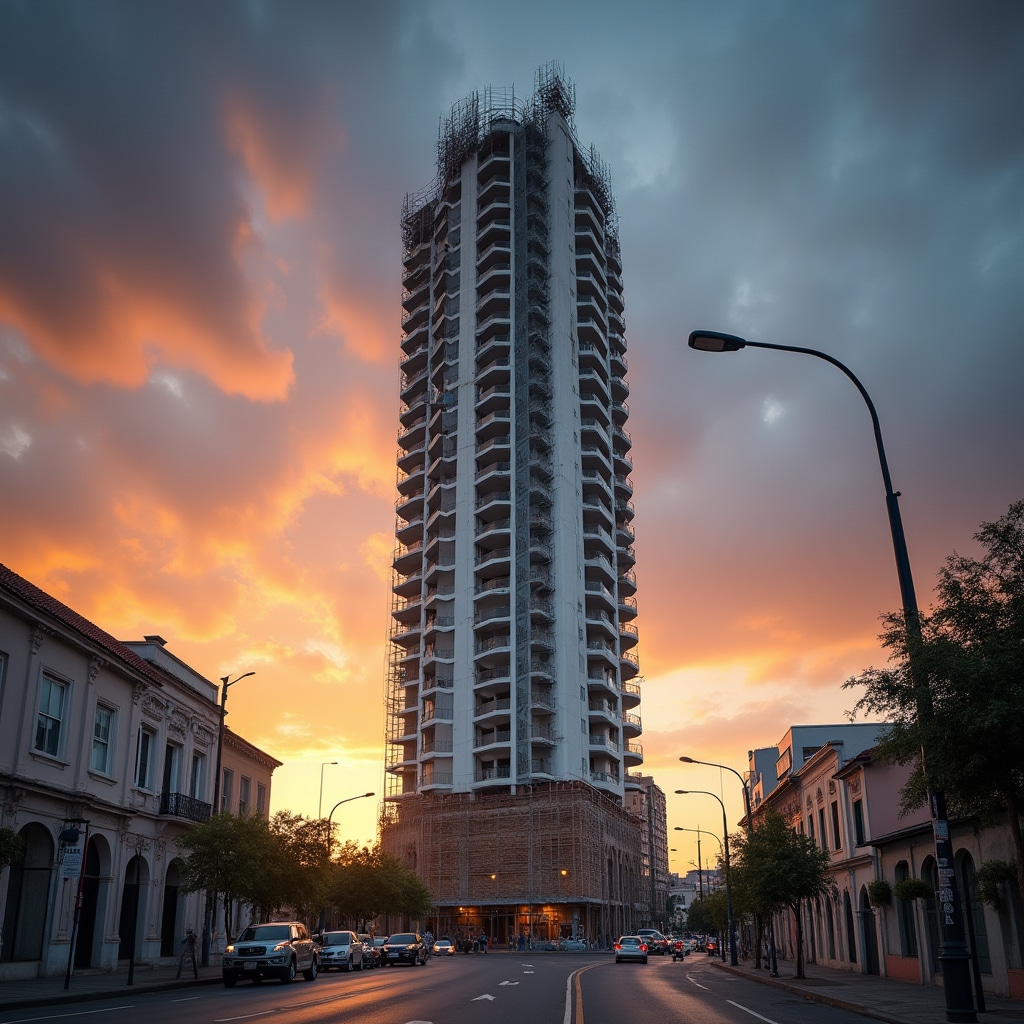
Wide-angle shot of mixed-use urban development in Argentina with construction cranes and completed residential towers against a warm sunset sky

Understanding the Argentine Property Market

Case analysis without market context produces incomplete understanding. The Argentine property market has characteristics that directly shape how crowdlending structures are designed: price denomination conventions, the role of the exchange rate, the behavior of construction costs, and the legal treatment of property rights.

The case study module includes dedicated sections on market context precisely because the same structural design can produce very different outcomes depending on the conditions it operates in. Understanding why requires understanding the market first.

Two financial professionals in smart casual attire reviewing regulatory documents at a glass conference table with city skyline visible through large windows at dusk

How Regulation Shapes Structure

Each case study includes analysis of the regulatory environment in which the structure operated. This is not a separate topic from the structural analysis — regulation shapes structure. How a crowdlending arrangement is documented, how participants are categorized, and how the platform presents itself to regulators all have direct effects on the structure that participants actually interact with.

The CNV framework provides the primary regulatory context for most Argentine cases, but other regulatory bodies and legal frameworks appear in specific categories of case.

Case Studies in the Program

The full case library is part of the complete program curriculum. For information about program access, get in touch or review the program overview on the homepage.

Program Overview Contact